People have adapted to the bag fee, but the cup fee was not working, retail group says
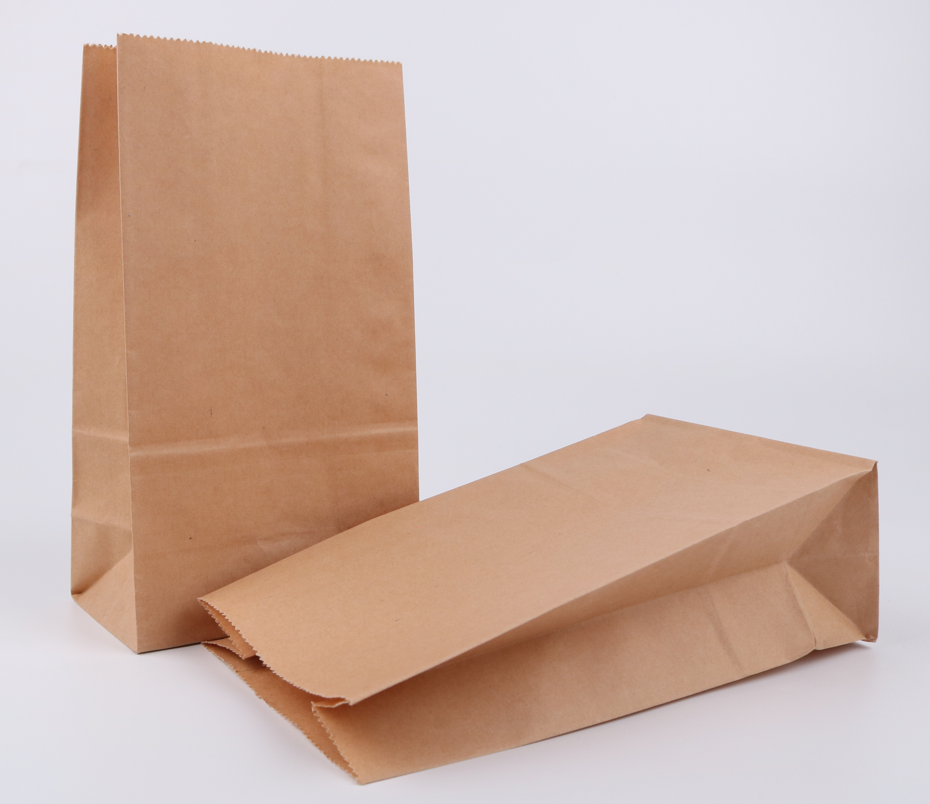
Vancouver’s 25-cent cup fee is being scrapped by council, but it’s unlikely a similar fee for paper bags in B.C.’s cities will meet the same fate. Paper Handle Bags

Subscribe now to read the latest news in your city and across Canada.
Subscribe now to read the latest news in your city and across Canada.
Create an account or sign in to continue with your reading experience.
Don't have an account? Create Account
The controversial cup fee was designed to reduce the millions of disposable cups being trashed, but Coun. Rebecca Bligh moved to kill it because she said uptake of alternatives, such as the reusable “cup share” programs, own mugs or eat-in glassware, was low.
Start your day with a roundup of B.C.-focused news and opinion delivered straight to your inbox at 7 a.m., Monday to Friday.
A welcome email is on its way. If you don't see it, please check your junk folder.
The next issue of Sunrise presented by Vancouver Sun will soon be in your inbox.
We encountered an issue signing you up. Please try again
Vancouver is among a number of B.C. cities that charge 25 cents for a paper bag, designed to reduce the millions of bags that end up in the trash.
But, said Bligh, “I haven’t had a lot of feedback from people about the paper bag fee. I really just don’t hear about the bag fee.”
She said unlike the cup fee, which customers could avoid by bringing their own cup or registering online for a share cup, customers can more easily avoid the paper bag fee by going without or bringing their own bags.
The Retail Council of Canada called for Vancouver’s cup fee to be dropped, but hasn’t called for the paper bag fee to go because it seems to be working.
“There is some evidence people are changing their behaviour” because of the fee, by bringing their own bags, said Avery Bruenjes, management of government regulation for the council’s B.C. chapter. “Generally, there is more of an acceptance of this.”
“With the cup fee, it wasn’t having the intended impact,” she said.
B.C. municipalities since at least 2021 have been switching to paper bags from single-use plastic bags at grocery checkouts, and on Dec. 20, 2022, a federal ban was placed on the manufacture or import of these bags, along with other disposable plastic items including cutlery, straws, stir sticks, and other plastic food-service ware. Sales will be banned by the end of the year.
A similar provincial ban is expected to be announced this spring, said Brunejes.
While banning plastic grocery bags, a number of cities have also passed bylaws requiring businesses to charge a fee for the paper bags or reusable cloth or plastic totes.
Most of the municipalities that have passed a bylaw have set the fee at 25 cents for paper and $2 for totes, some after an introductory period of 15 cents and $1.
Vancouver’s website said 89 million plastic shopping bags and four million paper shopping bags were trashed in 2018 in Vancouver alone. The fees are set “high enough to give customers an incentive to bring their own bags.”
Plastic checkout bags are the highest single-use waste product in Surrey, where they make up 36 per cent of the trash, according to its website. More than 80 per cent of citizens support restricting their use, it said.
The money from the fee remains with the retailers and Vancouver said they are encouraged to spend it on reusable alternatives, such as offering a take-a-bag, leave-a-bag option, cover the cost of compliance for software and training, donate reusable bags to charitable food services and encourage customers to bring their own bags.
The Retail Council lists municipalities that had a plastics ban, including Vancouver, Richmond, Squamish, Chilliwack, Port Moody, Sooke, Delta, Revelstoke, Fernie, Salmon Arm, Sidney and Harrison Hot Springs. And it said a number of others were considering a bylaw but many contacted for the status of the rule said they had yet to pass one.
Richmond stood alone so far as the only municipality that did not mandate a minimum fee for either bag. And the district of Squamish was an outlier in setting the fee at 75 cents for paper and $2.75 for totes.
Squamish.ca said banning plastic checkout bags “could lead to increased consumption of other types of bags, such as paper and polypropylene bags,” which it said have three times higher greenhouse gas emissions than plastic bags do.
“It is crucial to reduce the consumption of all single-use bags, not just plastic,” it said.
California’s mandatory minimum fee for a paper bag is 10 cents US.
Bag manufacturer Canada Brown charges a bulk rate of 48 cents each for a paper shopping bag with paper handles and other bags of various sizes are available for less.
Support our journalism: Our in-depth journalism is possible thanks to the support of our subscribers. For just $3.50 per week, you can get unlimited, ad-lite access to The Vancouver Sun, The Province, National Post and 13 other Canadian news sites. Support us by subscribing today: The Vancouver Sun | The Province.
Postmedia is committed to maintaining a lively but civil forum for discussion and encourage all readers to share their views on our articles. Comments may take up to an hour for moderation before appearing on the site. We ask you to keep your comments relevant and respectful. We have enabled email notifications—you will now receive an email if you receive a reply to your comment, there is an update to a comment thread you follow or if a user you follow comments. Visit our Community Guidelines for more information and details on how to adjust your email settings.
Dr. Amy Tan, who is also the director of teacher assessment and an anti-racism mentor with the faculty of medicine, replied and retweeted a post by a user who declared that “not masking is racist.”
Here's a handy list of the schools around Metro Vancouver that have reported openings and closures on Tuesday, Feb. 28, 2023. Note: If a school district hasn't announced a closure, assume it is open.
Renters will get a tax credit, families will get a bump in the B.C. Family Benefit and prescription contraception will be free. But the carbon tax is going up, which means gas will get more expensive.
Retired lawyer challenges CRA claim that several foundations were not created or operated primarily for legitimate charitable work
Pink Shopping Bag The two orcas are overturning the marine food chain by scaring off necessary predators